




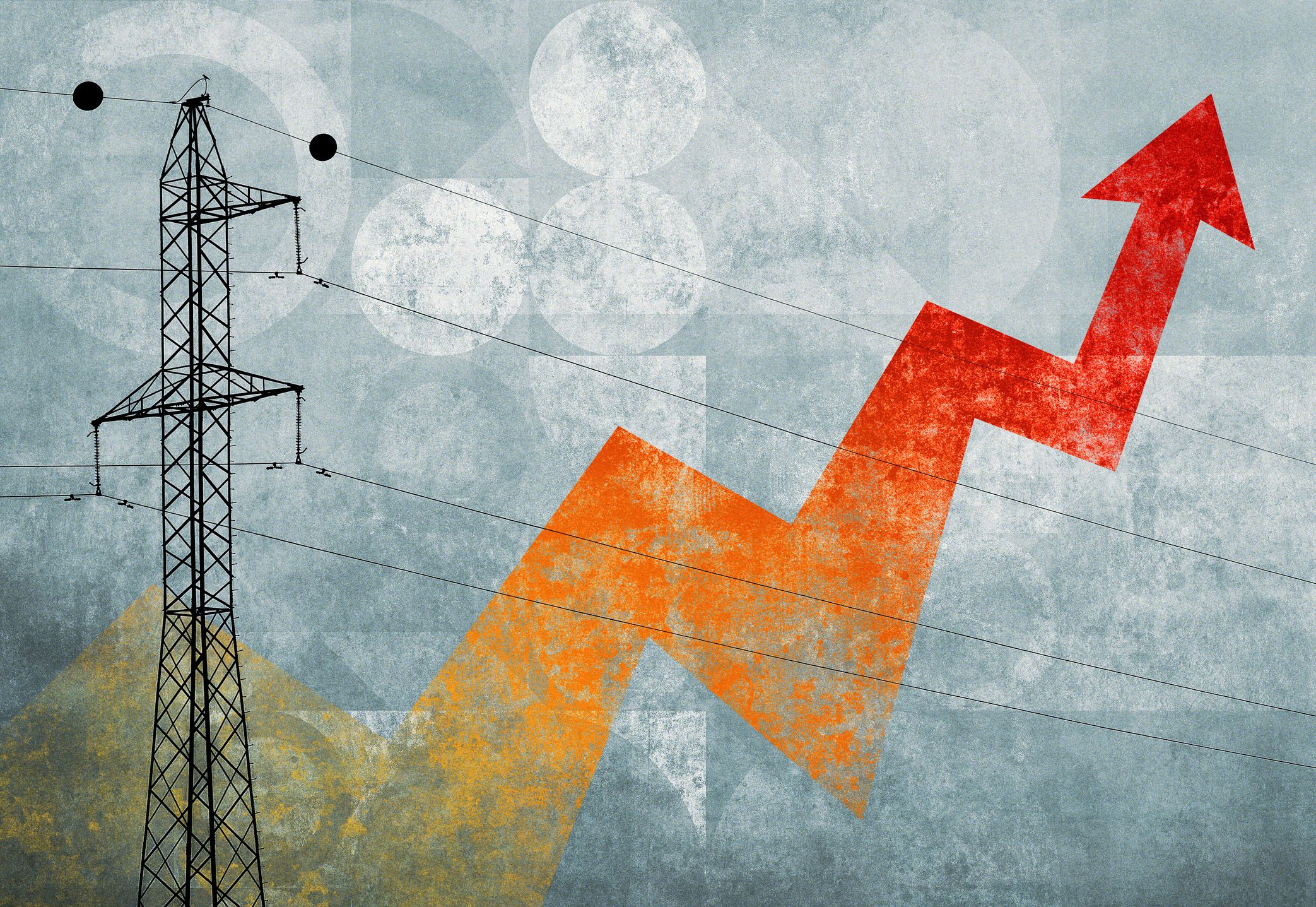
Why US Power Bills Are Surging
There are several reasons why power bills in the US are on the rise. One major factor is the increasing demand for electricity, especially with the growing population and reliance on electronic devices.
The cost of generating electricity has also increased due to rising fuel prices and the need to upgrade aging infrastructure. As utilities invest in renewable energy sources, such as wind and solar power, the initial costs can be passed on to consumers.
Extreme weather events, such as hurricanes and heatwaves, can also put a strain on power grids, leading to higher prices for consumers. In some cases, utilities may need to import electricity from neighboring states, further driving up costs.
Regulatory changes and government policies can also impact power bills. For example, the implementation of carbon pricing or emissions regulations can add additional costs to electricity generation, which are then reflected in consumers’ bills.
Energy efficiency programs, while beneficial in the long run, can also lead to higher upfront costs for consumers. Incentives to reduce energy consumption can result in higher bills for those who do not participate in these programs.
Overall, a combination of factors contributes to the surge in US power bills. Consumers can take steps to mitigate these costs by investing in energy-efficient appliances, being mindful of their energy usage, and exploring alternative energy options.
More Stories
Jeff Bezos’ Blue Origin Wins Contract to Take NASA Rover to the Moon
Scientist Who Was Offline ‘Living His Best Life’ Stunned by Nobel Prize Win
How Energy-Generating Sidewalks Work