




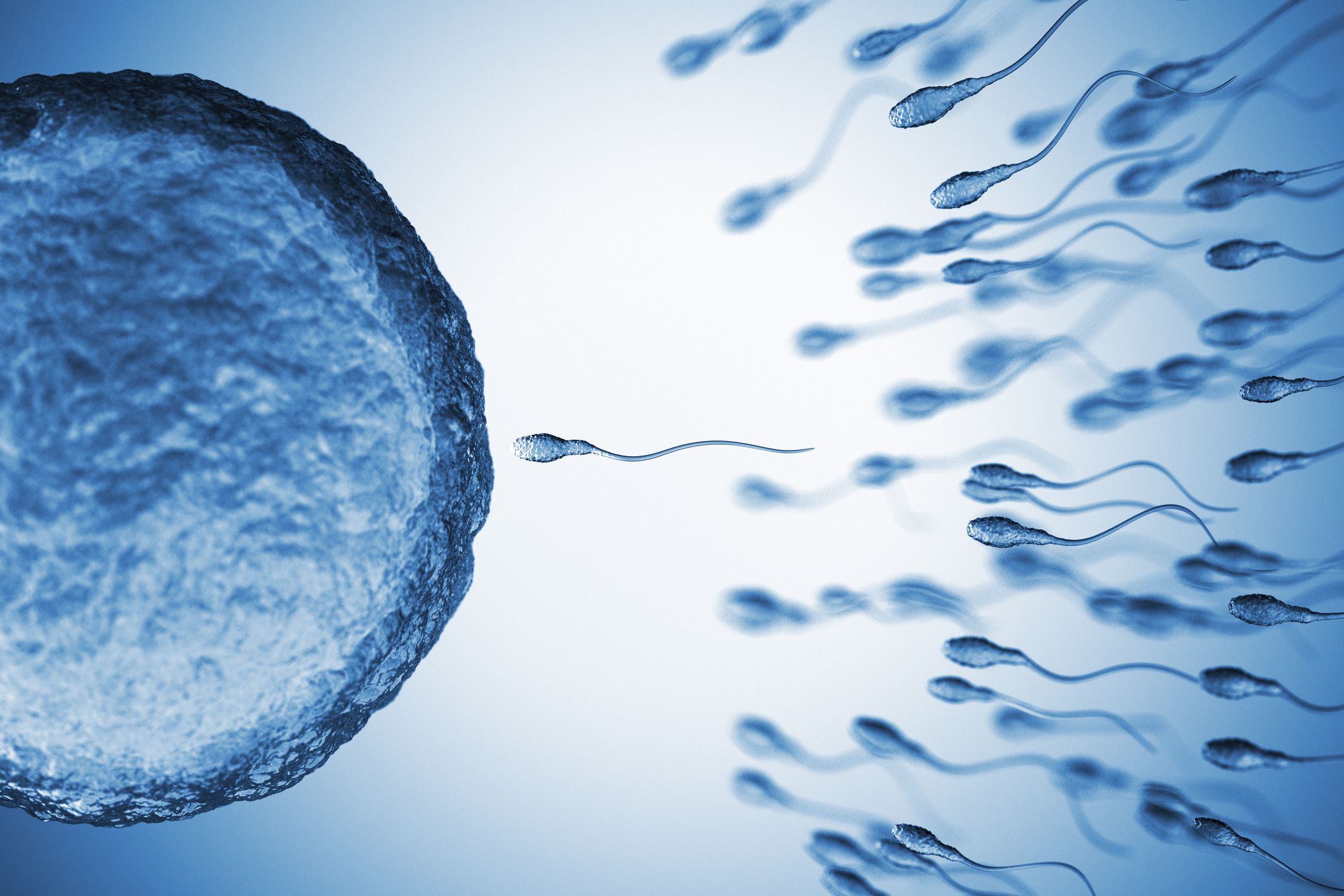
Sperm From Older Men Have More Genetic Mutations
Recent studies have shown that sperm from older men tend to have more genetic mutations compared to younger men.
As men age, the quality of their sperm deteriorates, leading to an increased risk of genetic abnormalities in their offspring.
This is due to the fact that older men have a higher rate of DNA damage, which can result in mutations being passed on to their children.
Research has also revealed that children born to older fathers may have a higher risk of certain genetic disorders and health conditions.
It is important for both men and women to be aware of the potential risks associated with advanced paternal age when planning to start a family.
Doctors recommend genetic testing for older fathers to assess the risk of passing on genetic mutations to their children.
Advancements in reproductive technology have made it possible to screen for genetic abnormalities in embryos, offering couples the option to select healthy embryos for implantation.
Despite the increased risk of genetic mutations in sperm from older men, it is still possible to have a healthy baby with proper medical care and genetic screening.
Ultimately, the decision to have children at an older age should be made with careful consideration of the potential risks and implications for the health of the offspring.
It is crucial for older men and their partners to consult with a medical professional to discuss the best course of action for starting a family.
More Stories
Jeff Bezos’ Blue Origin Wins Contract to Take NASA Rover to the Moon
Scientist Who Was Offline ‘Living His Best Life’ Stunned by Nobel Prize Win
How Energy-Generating Sidewalks Work