

The EPA Is Ending Greenhouse Gas Data Collection. Who Will Step Up to Fill the Gap?
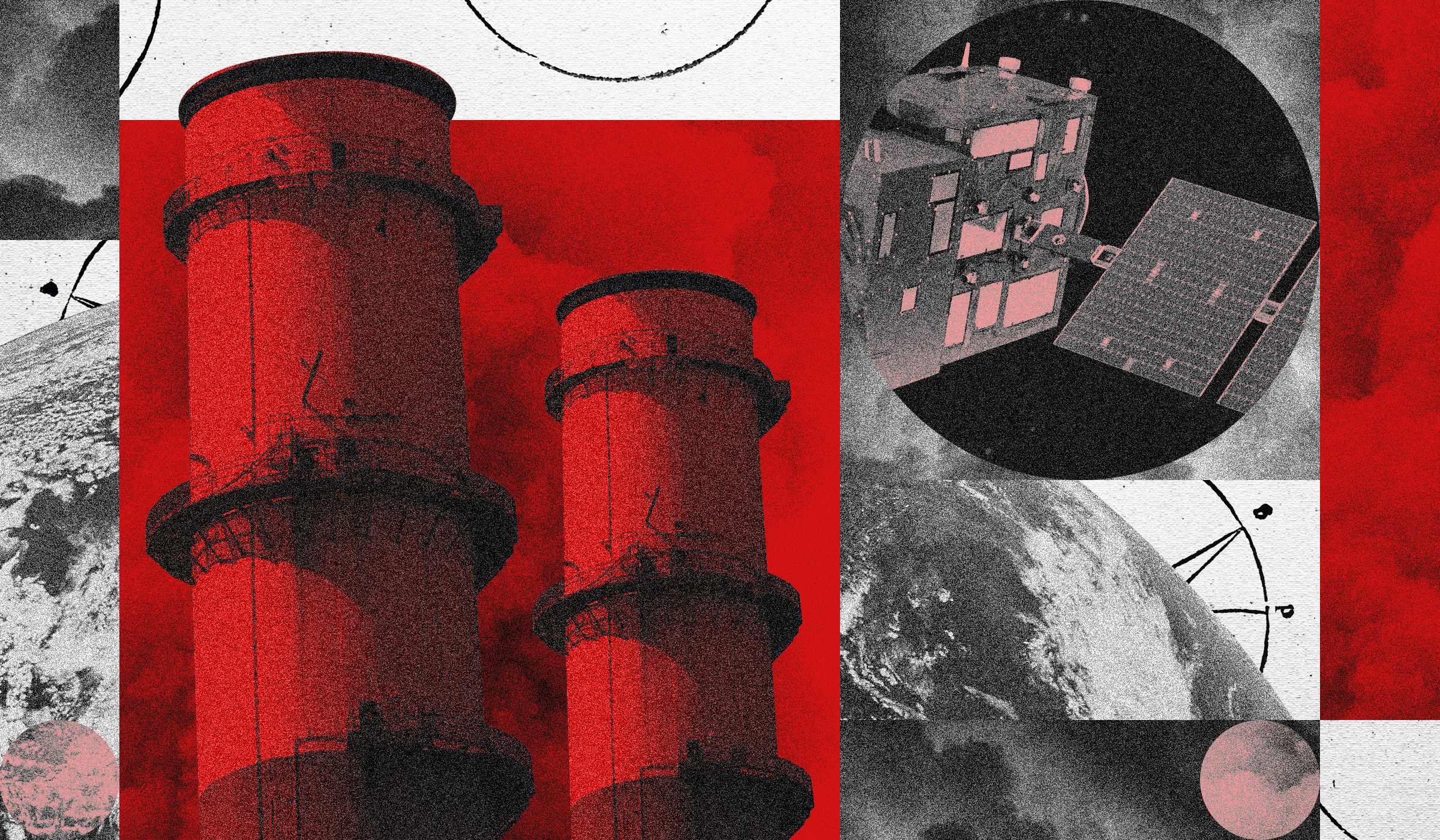
Recently, the Environmental Protection Agency (EPA) announced that they will no longer be collecting data on greenhouse gas emissions. This decision has raised concerns among environmentalists and scientists who rely on this information to track and combat climate change.
The EPA has been the primary source of greenhouse gas data in the United States for decades, providing vital information to researchers and policymakers. With this data collection ending, many are now looking to other organizations to step up and continue monitoring these emissions.
One potential candidate to fill the gap left by the EPA is non-profit organizations and research institutions who have the resources and expertise to collect and analyze greenhouse gas data. These groups could play a crucial role in ensuring that valuable information on emissions continues to be available.
Another option could be state governments, who could implement their own data collection programs to supplement the information previously provided by the EPA. This decentralized approach could help fill the void left by the EPA’s decision.
Ultimately, the responsibility to monitor greenhouse gas emissions may fall on a combination of organizations, working together to ensure that this important data continues to be collected and made available to the public. It is crucial that the gap left by the EPA’s decision is filled quickly and effectively to prevent any disruption in the fight against climate change.
In conclusion, the EPA’s decision to end greenhouse gas data collection leaves a significant gap in our understanding of emissions and their impact on the environment. It is now up to other organizations and entities to step up and continue monitoring these emissions to ensure that we have the information we need to address the growing threat of climate change.
More Stories
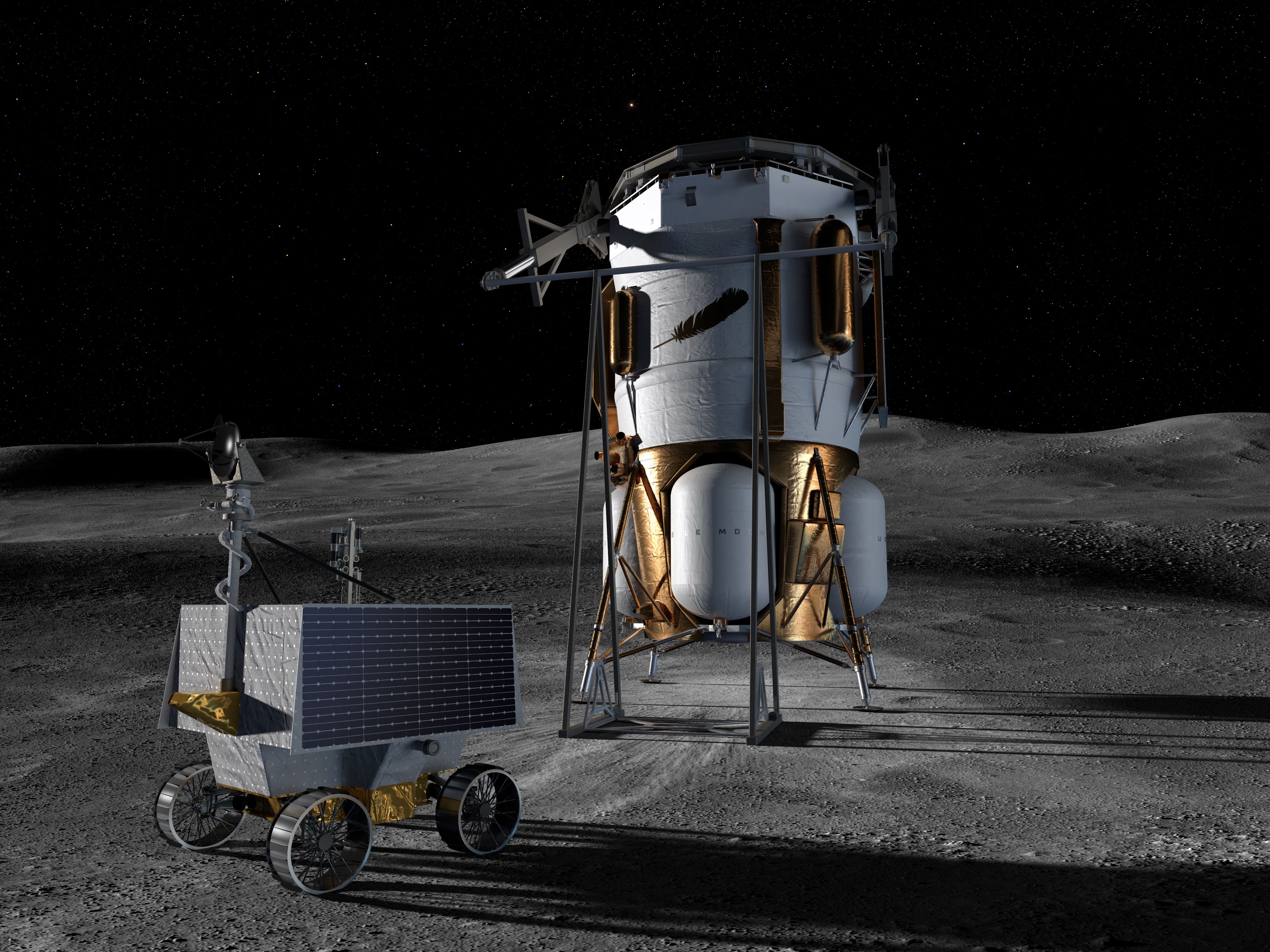
Jeff Bezos’ Blue Origin Wins Contract to Take NASA Rover to the Moon
Scientist Who Was Offline ‘Living His Best Life’ Stunned by Nobel Prize Win
How Energy-Generating Sidewalks Work