

Autism Is Not a Single Condition and Has No Single Cause, Scientists Conclude
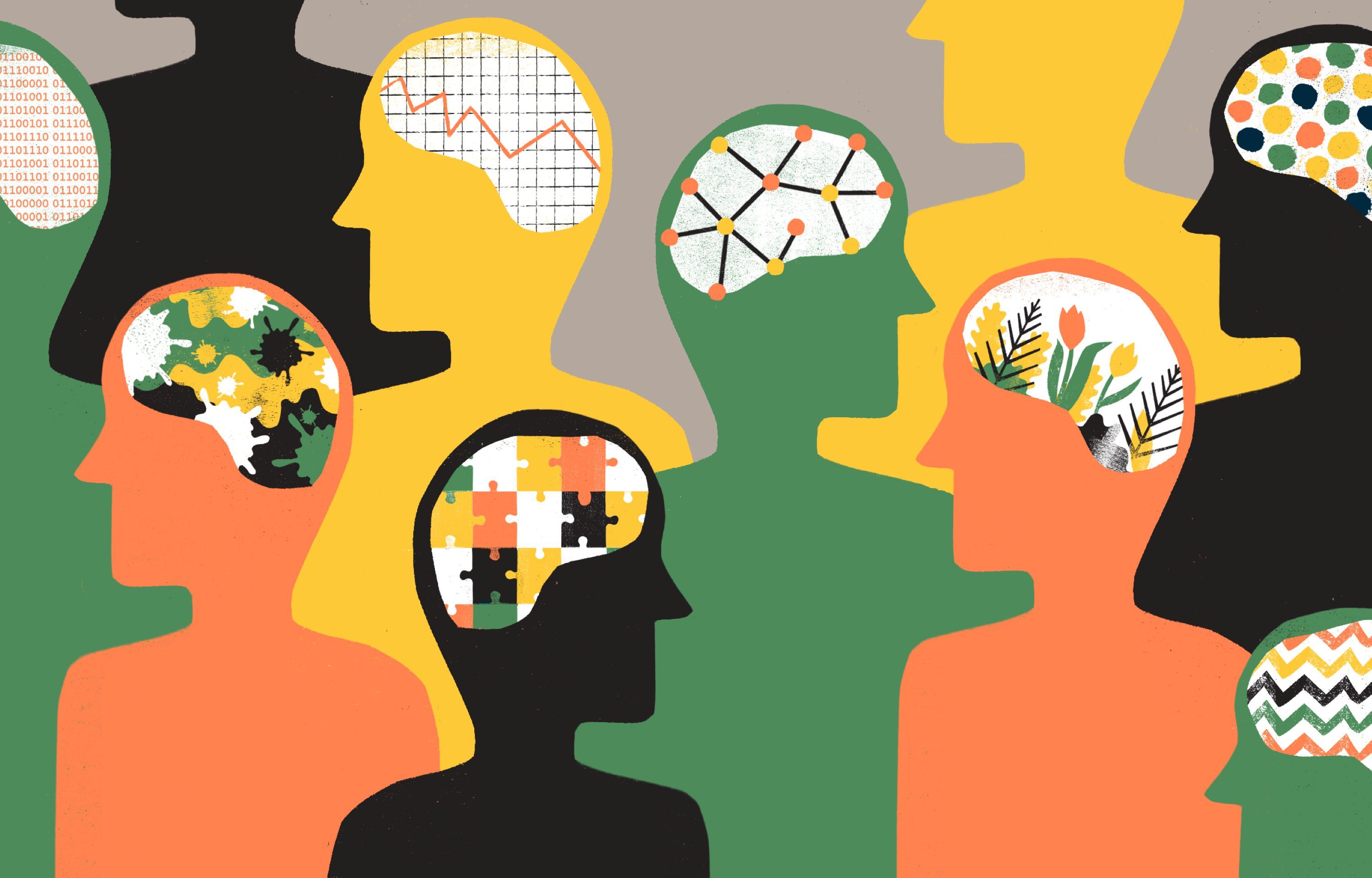
Autism is a complex neurodevelopmental disorder that affects individuals in a variety of ways. Despite this, for many years it was thought of as a single condition with a clear cause. However, scientists have come to the conclusion that this is not the case.
Research has shown that autism is actually a spectrum disorder, meaning that individuals can experience a wide range of symptoms and varying degrees of severity. Some may have difficulty with social interactions and communication, while others may have sensory sensitivities or repetitive behaviors.
Furthermore, scientists have determined that there is no single cause of autism. In fact, it is now believed to be a combination of genetic, environmental, and neurological factors that contribute to the development of the disorder.
Studies have shown that certain genetic mutations and variations can increase the likelihood of developing autism, but these alone are not enough to cause the disorder. Environmental factors, such as exposure to toxins or infections during pregnancy, may also play a role in predisposing individuals to autism.
Additionally, researchers have identified differences in the brains of individuals with autism, suggesting that abnormalities in brain development may be a key factor in the disorder. These differences can affect how the brain processes information and may contribute to the characteristic symptoms of autism.
Overall, the understanding of autism has come a long way in recent years. By recognizing that it is not a single condition with a single cause, scientists are better equipped to develop personalized treatment approaches that can help individuals with autism lead fulfilling lives.
Through ongoing research and collaboration, scientists hope to continue unraveling the complexities of autism and ultimately improve the quality of life for those affected by the disorder.
More Stories
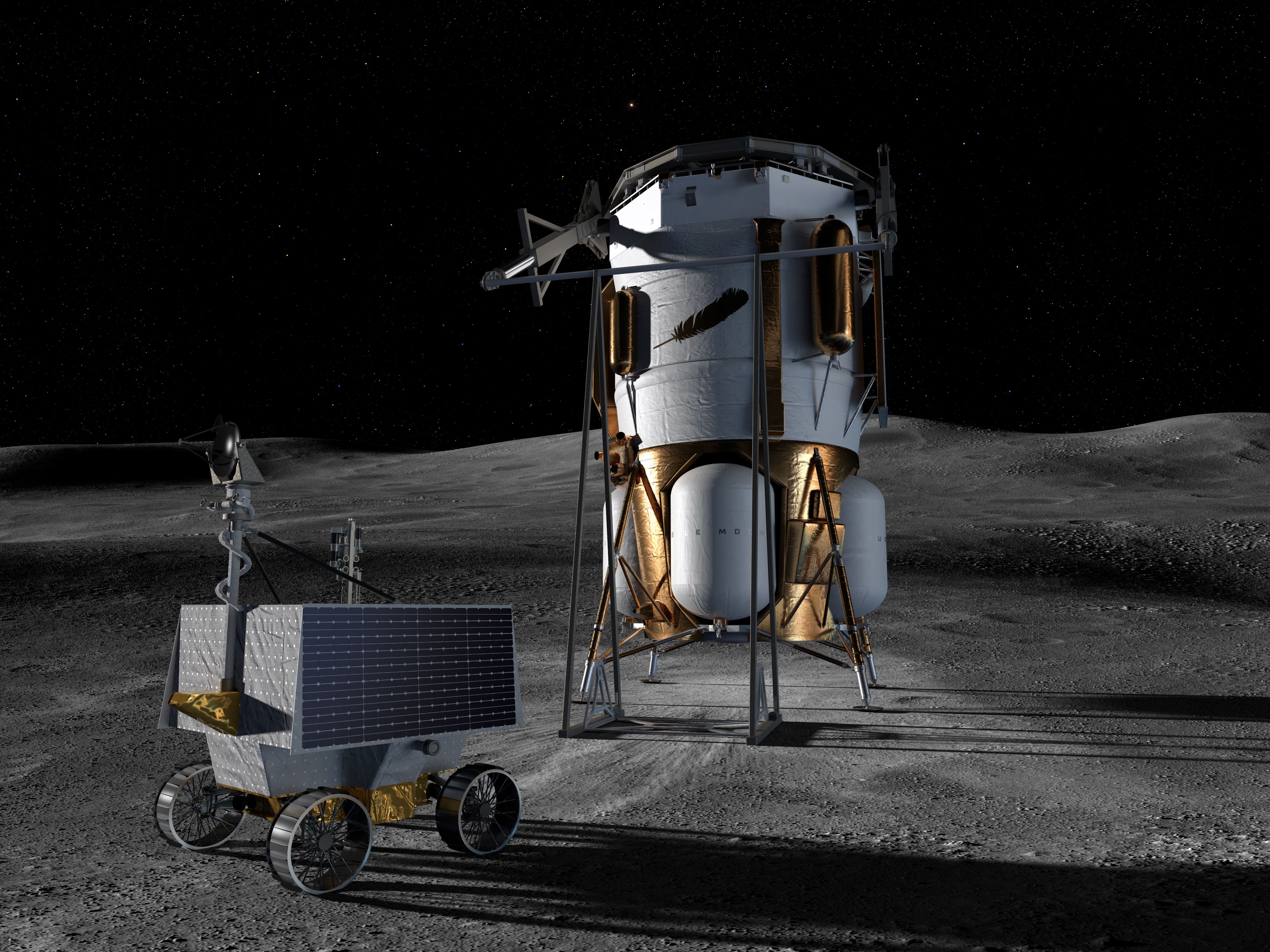
Jeff Bezos’ Blue Origin Wins Contract to Take NASA Rover to the Moon
Scientist Who Was Offline ‘Living His Best Life’ Stunned by Nobel Prize Win
How Energy-Generating Sidewalks Work